

No pressure, no judgment, just support and real-life tools that work.
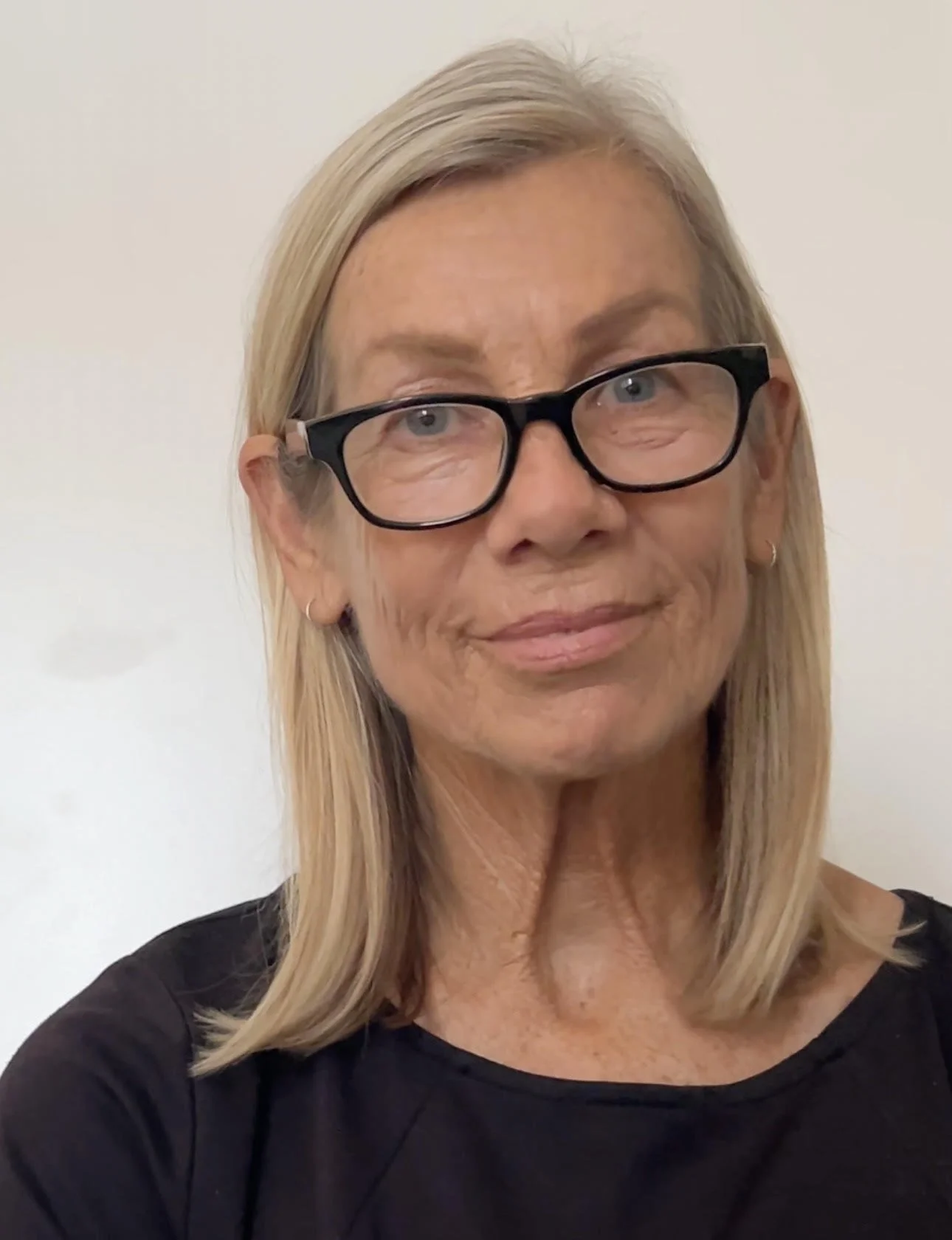
Meet Your Coach: Melise
When I stopped drinking 20 years ago, I thought life without alcohol would be dull and boring, as I just couldn’t picture it any other way. So it was important I had support from other women doing the same; this made all the difference. That experience showed me how powerful targeted support can be, and it shaped how I help women navigate their own journey today.
Why I Created Sober Coaching for Women
Combining Professional Expertise & Personal Insight
Now, with years of experience in clinical practice and teaching, I combine professional know-how with personal insight to help other women change their relationship with alcohol, because I know it’s possible, and it doesn’t have to be done alone.
Real, Personal & Practical Support
Through my work as an addiction nurse specialist and in my PhD research, I’ve spent a lot of time listening to women. I asked what they needed, what would make it easier to get help, and what was missing from the usual alcohol treatment approaches. The answer was clear: they wanted something real, personal, and practical.
So, I created Sober Coaching for Women.
The CLEAR Strategy for Change
My approach is pragmatic, flexible, and built around your actual life. I use my CLEAR strategy for behaviour change, which is a simple, effective framework that brings structure and clarity to the process of changing your relationship with alcohol.
Whether you want to stop drinking completely or just cut down, I’m here to walk with you. There is no pressure, no judgement, just support and real-life tools that work.
My CLEAR strategy for behaviour change
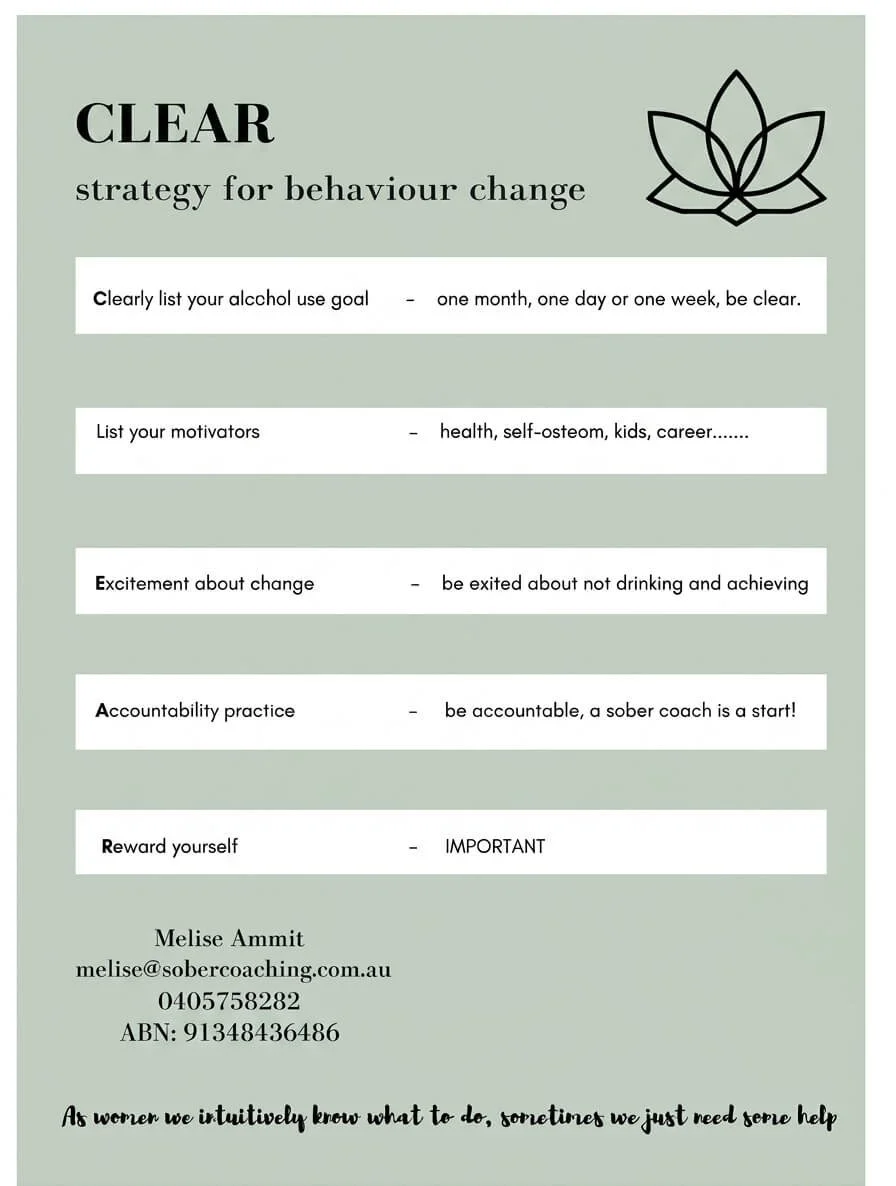
A simple, effective framework that brings structure and clarity to the process of changing your relationship with alcohol.
The Problem
When Alcohol Takes More Than It Gives
Have you tried to cut down or stop and found it too hard? It's not because of weakness or lack of will power! Substances like alcohol can stimulate the brain to release dopamine, a chemical that makes us feel good. While natural activities like exercise and spending time with loved ones also trigger dopamine, alcohol and other drugs can cause the brain to release much more, leading to a craving for that higher level of stimulation.
In other words, the brain is hijacked into thinking alcohol is essential for everyday activities. Over time, what started as a fun, controllable habit can turn into an unhealthy cycle that leaves you feeling exhausted, anxious, and stuck.
Common challenges many women face:
✔ Hoping the problem will go away
✔ Thinking the problem isn’t bad enough
✔ Not knowing that help is available
The good news is your brain can rewire itself. Every alcohol-free day starts to weaken those old pathways and build new ones. That's why I like the one day at a time approach. You don't have to wait until things get worse. Sometimes the day you ask for help is the day things start to change.